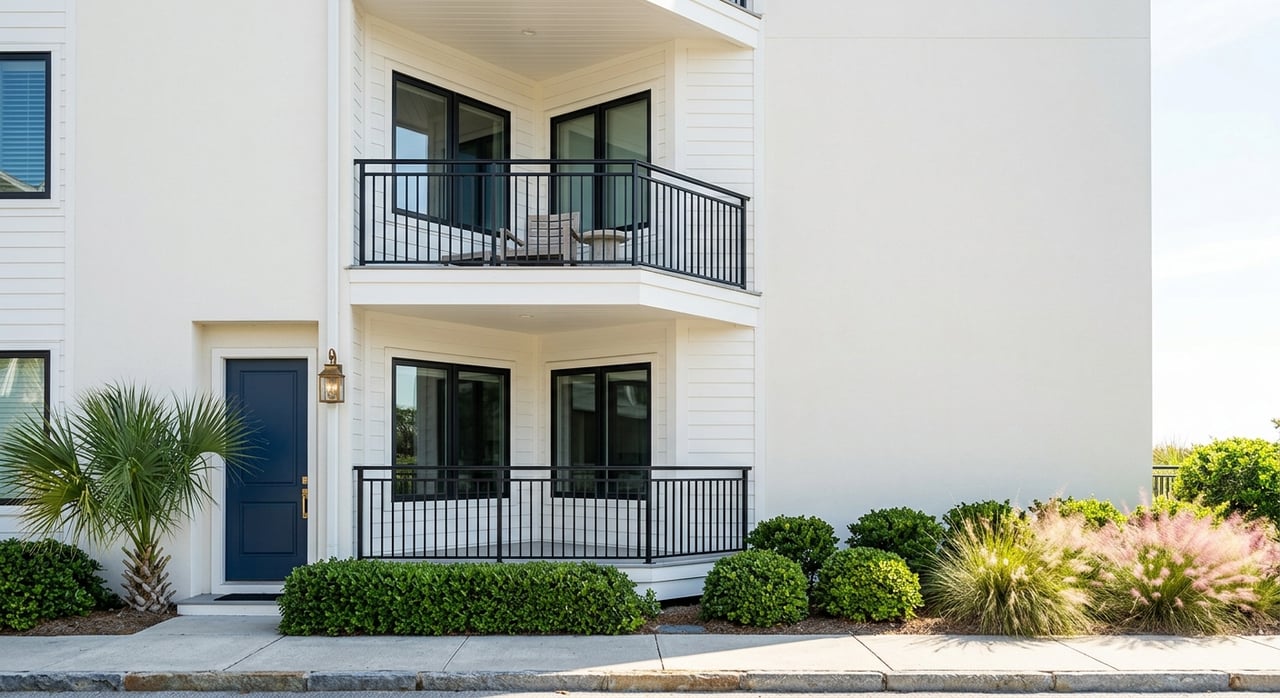
Buying a condo in Wrightsville Beach can look simple on the surface. You find a great view, imagine easy beach days, and picture less upkeep than a standalone home. But on this barrier island, your decision is about more than finishes and square footage. You also need to understand flood risk, association rules, parking, insurance, and how the specific building works day to day. If you want to buy with more confidence and fewer surprises, this guide will help you focus on what matters most. Let’s dive in.
Start With Location and Access
In Wrightsville Beach, location is not just about the view. It shapes how you use the property, how you plan for weather, and what your daily routine looks like.
The island setting gives you several lifestyle options to compare. Some condos are oceanfront, while others are closer to the Intracoastal Waterway, marinas, or harbor areas. That means two properties with similar size and price can feel very different based on beach access, boating access, traffic flow, and parking.
The town maintains 44 public beach access locations, and 7 of those are ADA-accessible ocean access points. Public restrooms are available at accesses 2, 4, 16, and 36, plus Wrightsville Beach Park. If beach convenience matters to you, it helps to look beyond the listing photos and understand how the unit connects to public access points and nearby amenities.
Compare the Setting, Not Just the Unit
A well-staged condo can distract you from the bigger picture. Before you fall in love with the inside, think about what the surrounding location means for your everyday use.
Ask yourself questions like these:
- Do you want direct beach access or easier boating access?
- Will you spend more time on the ocean side or near marinas and the waterway?
- How important is walkability to public access points, restrooms, or parks?
- Will guests need easy parking during busy beach months?
Understand Flood Risk Early
Flood risk is not a side issue in Wrightsville Beach. The town states that all properties inside town limits are in a floodplain and Special Flood Hazard Area.
That matters whether you are buying a primary residence, second home, or investment property. The town notes that the greatest flood threats come from hurricanes, seasonal storms, high tides, and heavy rain. If you will not be on site year-round, that risk deserves even more attention because conditions can change quickly while you are away.
Flood insurance is also separate from a standard homeowners or renters policy. The town notes that flood insurance has a 30-day waiting period, so it is smart to explore coverage needs early rather than treat it like a last-minute item.
Flood Questions to Ask Before You Buy
A condo building may handle some exterior issues through the association, but that does not remove the need to understand the property’s flood exposure and insurance setup.
Ask for or confirm:
- Any available flood or elevation documents
- Whether there is a history of flood claims
- What the association’s master policy covers
- What flood-related losses may still fall to you as the owner
- How the building plans for storms when owners are away
Know What the HOA Handles
One of the biggest reasons buyers choose a condo is simpler maintenance. In many cases, that is true. Under the North Carolina Condominium Act, the association is responsible for maintaining, repairing, and replacing common elements, while each owner is responsible for the unit itself.
That said, the details matter. Some limited common elements may be allocated differently under the condo declaration. In a coastal building, that can affect things like balconies, storage areas, parking spaces, or dock-related features.
This is where condo living becomes a tradeoff. You may have less exterior maintenance than you would with a beach cottage, but you also take on HOA dues, shared budgeting, and association rule enforcement.
Why Building Documents Matter
Associations in North Carolina can adopt and amend rules and budgets, collect common-expense assessments, manage reserves, regulate use of common elements, and charge for use or rental of common elements. In Wrightsville Beach, that can directly affect parking, storage, dock access, and shared amenities.
Before you buy, request and review:
- Declaration
- Bylaws
- Current budget
- Reserve information
- Master insurance summary
- Rental rules
- Parking rules
- Any pending suits
- Any planned or pending special assessments
If you are buying new construction, the public offering statement is especially important. North Carolina law requires disclosure of reserve information, projected assessments, special closing fees, insurance coverage, liens, land-use requirements, and known suits.
Review Fees, Reserves, and Assessment Risk
Monthly dues are only part of the financial picture. A condo with a lower monthly fee may still have reserve challenges or future repair costs that affect your budget later.
North Carolina law requires associations to keep financial records and make an annual income-and-expense statement and balance sheet available to unit owners within 75 days after the fiscal year ends. Those records can give you useful insight into how the building is managed and whether reserve planning appears current.
A healthy review process should include more than asking, “What are the dues?” You should also ask whether there are reserve funds, whether there has been a recent reserve study, and whether special assessments are planned or being discussed.
Ask These Money Questions
When you review a Wrightsville Beach condo, keep these questions front and center:
- What is the monthly common-expense assessment?
- Are there other recurring owner fees?
- Are reserves funded?
- Has the building had recent major repairs?
- Are any special assessments pending or likely?
- Are there lawsuits that could affect finances or insurance?
For resale condos, North Carolina law requires the seller to provide a statement of the monthly common-expense assessment and any other fees payable by unit owners before conveyance. That gives you a clearer picture of your baseline costs before closing.
Check Rental Rules Before You Run the Numbers
If you plan to use the condo as a second home or rental property, do not assume every building has the same rules. Rental restrictions are a building-level issue, not a universal Wrightsville Beach rule.
Because associations can adopt and amend rules, one building may allow short-term rentals while another may limit lease terms, cap rentals, or apply guest and pet rules that change how the property can be used. This can have a major effect on your income projections and your flexibility.
Before you model rental income, verify the actual rules for that specific condo community. It is much easier to adjust your strategy before you buy than after you own the unit.
Rental Details to Confirm
Review these points carefully:
- Are short-term rentals allowed?
- Is there a minimum lease term?
- Are there rental caps or waiting periods?
- Are there guest occupancy rules?
- Are there pet restrictions that could affect renters?
- Are there extra fees tied to rental use?
If you are projecting income, taxes matter too. North Carolina taxes accommodation rentals as gross receipts subject to state and local sales tax and any local occupancy tax. The North Carolina Department of Revenue lists New Hanover County at 7% sales and use tax, and its occupancy-tax table lists New Hanover County at 3% countywide, with an additional 3% only in unincorporated areas. Because that added occupancy tax applies only in unincorporated areas, investors should verify the exact property address before estimating net rental income.
Parking Can Change the Value
In a beach market, parking is not a minor detail. It can shape convenience, guest use, and even how often you choose to use the property.
Wrightsville Beach property owners can buy up to two residential parking permits for $50 each. Daily passes are $30 or $35, and weekly passes are $150. Harbor Island streets also have permit or decal-only restrictions during the town’s posted season and hours.
The town notes that vehicle tax decals also serve as emergency re-entry identification. That makes parking and permit planning even more important for owners who may need access after a storm event.
Parking Questions Worth Asking
Do not stop at “Does it come with parking?” Ask deeper questions, such as:
- How many spaces come with the unit?
- Are the spaces deeded, assigned, or first come, first served?
- Are guest spaces limited?
- Are guest spaces paid or seasonal?
- Do parking rules change during peak season?
- Does the building offer storage for bikes, boards, or beach gear?
Look Closely at Insurance Coverage
Insurance can feel confusing in condo purchases because part of the coverage may sit with the association and part may be your responsibility. Under North Carolina law, the condominium association must maintain property insurance on common elements and liability insurance.
That does not mean every part of your unit is fully covered by the master policy. The town’s flood guidance makes clear that flood protection requires a separate flood policy rather than standard homeowners or renters insurance. You should not assume the building’s policy or a conventional homeowners policy will cover flood loss affecting your unit.
FEMA also states that a condominium unit owner may apply up to 10 percent of Coverage B to interior walls, floors, and ceilings that are not covered under the association policy. Even with that option, the key step is understanding where the master policy stops and where your own policy needs to begin.
Insurance Questions to Bring to the Table
Ask these before you close:
- What does the master policy cover?
- What is the deductible?
- What losses are left to the unit owner?
- Is flood coverage included anywhere, or does it require a separate policy?
- Are interior items like walls, floors, and ceilings covered by the association or the owner?
If Boating Matters, Verify Marina and Dock Rights
Many buyers are drawn to Wrightsville Beach for boating access as much as beach access. The local marina scene includes docking, service centers, and water access, but those benefits are not automatically included with every condo.
If a listing mentions a slip, dock, storage area, or marina convenience, ask exactly how that feature is held. Rights may be deeded, leased, shared, or waitlisted. That distinction can significantly affect both value and day-to-day use.
A Condo Can Be a Great Fit
For many buyers, a Wrightsville Beach condo offers a smart way to enjoy coastal ownership with less exterior maintenance than a single-family beach home. But the best purchase is usually the one where you understand the building, the rules, the insurance setup, the parking reality, and the flood considerations before you commit.
A good condo search here is part lifestyle decision and part document review. When you balance both, you can buy with more clarity and choose a property that fits how you actually want to use Wrightsville Beach.
If you want help comparing condo options, reviewing the right questions, and narrowing down the best fit for your goals, Lindy Mauney is here to help.
FAQs
What should you know about flood zones before buying a condo in Wrightsville Beach?
- The town states that all properties within Wrightsville Beach town limits are in a floodplain and Special Flood Hazard Area, so you should review flood insurance needs, any flood history, and available flood or elevation documents early in your search.
What does an HOA usually cover in a Wrightsville Beach condo?
- Under the North Carolina Condominium Act, the association is generally responsible for maintaining, repairing, and replacing common elements, while you are responsible for your unit, though limited common elements may be handled differently in the condo declaration.
What documents should you request before buying a Wrightsville Beach condo?
- Ask for the declaration, bylaws, current budget, reserve information, master insurance summary, rental rules, parking rules, any pending suits, any special assessments, and any available flood or elevation documents.
Can you use a Wrightsville Beach condo as a short-term rental?
- It depends on the specific building, because associations may adopt and amend rental rules such as minimum lease terms, rental caps, guest rules, and pet policies.
Why is parking such a big factor for Wrightsville Beach condos?
- Parking affects owner convenience, guest access, seasonal use, and storm re-entry planning, and town permit rules and costs can materially affect how practical a condo feels during peak beach months.
What insurance should you review before closing on a Wrightsville Beach condo?
- You should review the association’s master policy, deductible, owner responsibility for interior areas or losses, and whether you need separate flood coverage, since the town states flood insurance is separate from standard homeowners or renters insurance.