If you are thinking about selling in Raleigh, one question matters more than almost anything else: where should you price your home right now? It is easy to look at a citywide average and hope for the high end, but today’s buyers are watching monthly payment closely and comparing homes with more patience than they did a few years ago. The good news is that Raleigh is still moving, and with the right strategy, you can protect your momentum and your negotiating position. Let’s dive in.
Why strategic pricing matters now
Raleigh is not a frozen market, but it is a more selective one. Recent market trackers place citywide prices in the low-to-mid $400,000s, with homes taking about 35 to 41 days to go pending or sell and sale-to-list ratios near 98% to 99%. That tells you buyers are active, but they are not blindly accepting every list price.
The bigger issue is that a city average can only take you so far. Raleigh has major price differences from one area to another, with reported neighborhood figures ranging from about $324,000 in Southeast Raleigh to about $669,500 in North Hills and about $898,900 in Five Points. If you price your home based on a broad average instead of your specific micro-market, you can miss the mark quickly.
Raleigh is a market of micro-markets
In today’s Raleigh market, your home is competing against a very specific set of alternatives. Buyers are not comparing every listing in the city. They are comparing homes with similar location, size, condition, style, and features in the areas they are already targeting.
That means pricing a home in Five Points should not look the same as pricing a home in Southeast Raleigh or North Hills. Even within the same ZIP code, price expectations can shift based on lot size, updates, floor plan, and whether the home is detached or attached. A smart pricing plan starts small and local, not broad and generic.
Product type matters too
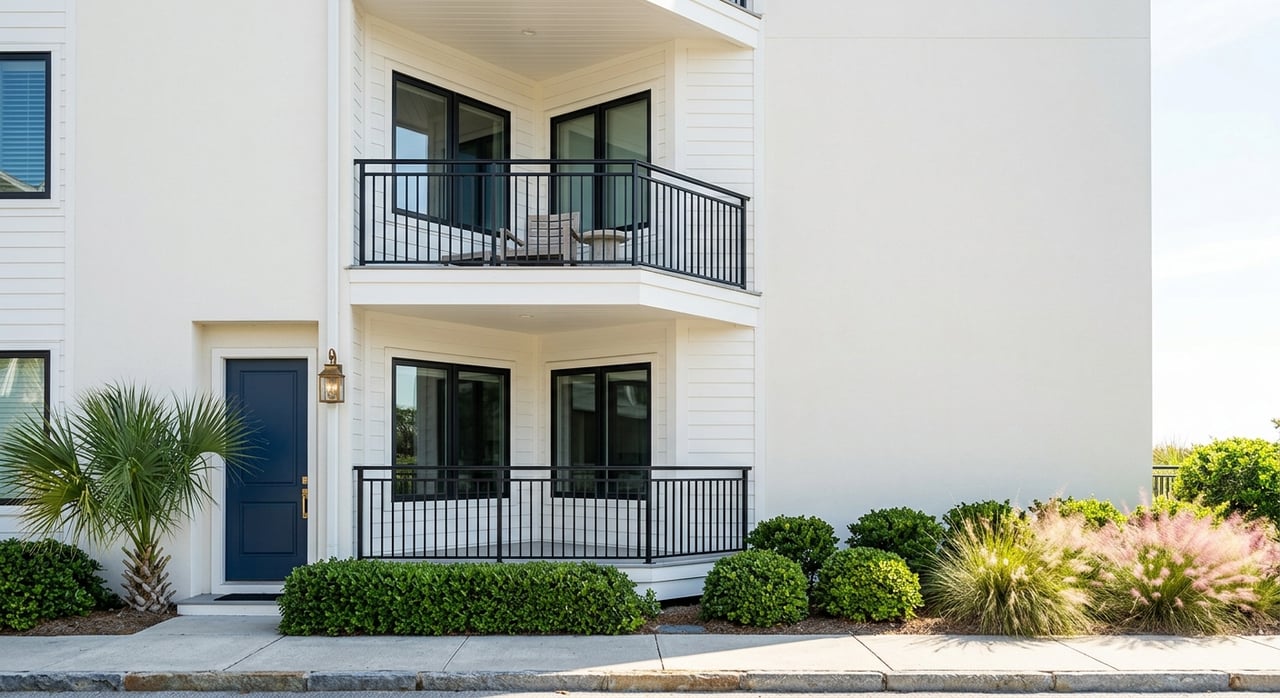
This is especially important if your home is a townhome or condo. In March 2026, Raleigh single-family home prices were up 1%, while townhome and condo prices fell 5.3% and 9.5%, respectively. Attached homes are competing in a different buyer pool, so they need their own comp set and pricing logic.
If you are downsizing from a larger home into an attached property, or selling a townhome as a move-up seller, this gap matters. Your home should be judged against recent sales of similar product types, not just against nearby detached homes that may appeal to different buyers with different budgets.
Use sold comps, not hopeful list prices
One of the most common pricing mistakes is using active listings as the main benchmark. Active listings show what sellers hope to get. Sold homes show what buyers were actually willing to pay.
Recent Raleigh data show homes averaging about 1% below list, with a sale-to-list ratio around 98.4%. The broader Triangle has been softer, closer to 95% of list. That gap is a strong reminder that list price alone is not the signal that matters most. The real clue is where homes are closing.
What the best comps should match
The strongest comparable sales usually line up with your home in several ways:
- Same or very similar neighborhood
- Similar square footage and layout
- Similar lot size
- Similar age and condition
- Same property type, such as single-family, townhome, or condo
- Recent sale date, ideally in the current market environment
If one comp has a renovated kitchen, a screened porch, or a larger lot and yours does not, those differences matter. Pricing strategy is not just about pulling three nearby homes and averaging the numbers. It is about adjusting for the details buyers notice.
Buyers are focused on payment
Mortgage rates are still shaping buyer behavior. As of June 4, 2026, Freddie Mac reported the average 30-year fixed-rate mortgage at 6.48%. Even small changes in rates can shift affordability, which is why many buyers are judging your home through the lens of monthly payment, not just purchase price.
This helps explain why buyers may pause when a home feels even slightly overpriced. A list price that stretches beyond what the market supports can shrink your buyer pool fast. In a payment-sensitive environment, a strategic price tends to create more interest than a top-of-range test.
Overpricing usually costs more later
NAR’s 2026 forecast noted that in Raleigh, homes priced 3% to 5% above market tend to sit longer and require deeper reductions. That is a key point for sellers who want to protect net proceeds. Starting too high can weaken your first wave of attention, and that early window is often when your listing gets the most eyes.
Once a home sits, buyers often start asking what is wrong with it, even when the answer is simply price. In a market where about 33.4% of Raleigh listings have had price drops, buyers are trained to wait for a reduction if the value does not feel right at launch.
The first two weeks matter most
When your home hits the market, you are usually going to see the strongest burst of attention early. Serious buyers, saved searches, and active agents all tend to react quickly to new inventory. If showings are light or feedback consistently points to price, it is usually better to respond early than to wait.
Raleigh still moves faster than the national average, with a median of about 35 days to go pending. But that does not mean every listing gets a free pass. A home that misses the market at launch can lose leverage, even in a city that still has steady demand.
Signs your price may need attention
Watch for these early signals:
- Strong online views but few showings
- Showings without offers
- Repeated buyer comments about value
- Competing homes going pending faster
- A mismatch between traffic and expected interest level
A quick adjustment can be a smart move, not a setback. In many cases, correcting price early helps revive urgency and keeps your listing from becoming stale.
Condition still shapes value
Price does not stand alone. Buyers are also comparing how move-in ready your home feels relative to other options. Small repairs, cleaning, decluttering, and presentation can all support a stronger launch.
Realtor.com’s April 2026 survey found that 50% of would-be sellers had made small repairs or cleaned and decluttered, and 44% had identified improvements to make before listing. That tells you many sellers understand the same thing buyers do: homes that feel cared for often show better and justify pricing more confidently.
What as-is means in North Carolina
In North Carolina, selling as-is does not mean disclosures go away. The North Carolina Real Estate Commission says as-is means the seller has decided not to make repairs, but buyers still have inspection rights. The Commission also says material facts must be disclosed in writing, and sellers of most residential one-to-four unit properties must provide the required disclosure forms before an offer is made.
This matters for pricing because condition and transparency go together. If your home needs work, you can still sell successfully, but the price should reflect that reality clearly and defensibly.
Timing helps, but pricing leads
Many sellers ask whether they should wait for the perfect week to list. Timing can help, especially when buyer activity, daylight, and curb appeal line up well in spring. But timing alone will not fix an unrealistic price.
The practical lesson for Raleigh sellers is simple: launch when your home is ready, your local comp set is clear, and your strategy fits the current micro-market. The best timing advantage comes when price, condition, and presentation all support each other.
A smarter pricing mindset for Raleigh sellers
If your goal is to protect your bottom line, the best strategy is often not to chase the highest imaginable number. It is to choose a price that is credible, competitive, and supported by recent sold data. That approach can help generate early attention, reduce the chance of a stale listing, and preserve your room to negotiate.
This is especially true if you are a move-up seller, downsizer, or planning a relocation. Your pricing decision affects not only your sale, but also your timeline, your stress level, and your next move. A tailored strategy gives you more control than a hopeful list price ever will.
If you want a pricing plan built around your neighborhood, your property type, and today’s buyer behavior, Lindy Mauney can help you evaluate the data and prepare a strategy that fits your goals.
FAQs
How should you price a Raleigh home in today’s market?
- You should base your price on recent sold comps that closely match your home’s neighborhood, size, condition, and property type, rather than relying on citywide averages or active listings alone.
What happens if you overprice a home in Raleigh?
- In Raleigh’s 2026 market, homes priced above market are more likely to sit longer, lose early momentum, and need larger price reductions later.
Are Raleigh buyers still negotiating on home prices?
- Yes. Recent data show Raleigh homes are selling at about 98.4% of list price on average, which means many buyers are negotiating instead of paying full asking price.
Do townhomes and condos in Raleigh need a different pricing strategy?
- Yes. Recent data show townhomes and condos have performed differently from single-family homes, so they should be priced using comparable attached-home sales, not detached-home comps.
Does selling a home as-is in North Carolina affect pricing?
- Yes. Selling as-is means you may choose not to make repairs, but buyers still have inspection rights and required disclosures still apply, so the price should reflect the home’s condition honestly.
Is timing or price more important when selling a Raleigh home?
- Price is more important. Timing can help your launch, but an unrealistic list price is harder to overcome and can cause your home to go stale.