Wondering which Wilmington neighborhood is the right fit for your life? That question trips up a lot of buyers because the answer is rarely about finding the single "best" area. It is usually about choosing the lifestyle, home style, and daily routine that match how you actually want to live. If you are weighing downtown energy, beach access, or more room in a suburban setting, this guide will help you sort through the tradeoffs with confidence. Let’s dive in.
Wilmington neighborhood choice starts with lifestyle
Wilmington’s planning documents make one thing clear: this is a city with distinct living patterns. You will find compact historic and mixed-use areas near downtown, beach-oriented areas toward the east, and more car-oriented suburban neighborhoods inland.
That matters because your neighborhood choice affects more than your address. It shapes your commute, parking situation, home style, and how often you can walk or bike to the places you use most.
The good news is that Wilmington’s long-term planning supports a variety of housing types and price points. So instead of asking which neighborhood is best, it makes more sense to ask which tradeoffs feel right for you.
Downtown Wilmington offers walkability
If you want shorter trips, public events, and a more urban feel, downtown Wilmington deserves a close look. This part of the city blends riverfront access, historic character, and mixed-use development in a way that feels very different from inland subdivisions.
The Wilmington Riverwalk runs 1.75 miles along the Cape Fear River in historic downtown. It connects to parks, shopping, dining, museums, riverfront views, and the River to the Sea Bikeway and East Coast Greenway.
Riverfront Park adds another layer to the lifestyle. The 6.6-acre park includes a concert venue, festival space, playground, water feature, plazas, gardens, and natural areas.
What homes feel like downtown
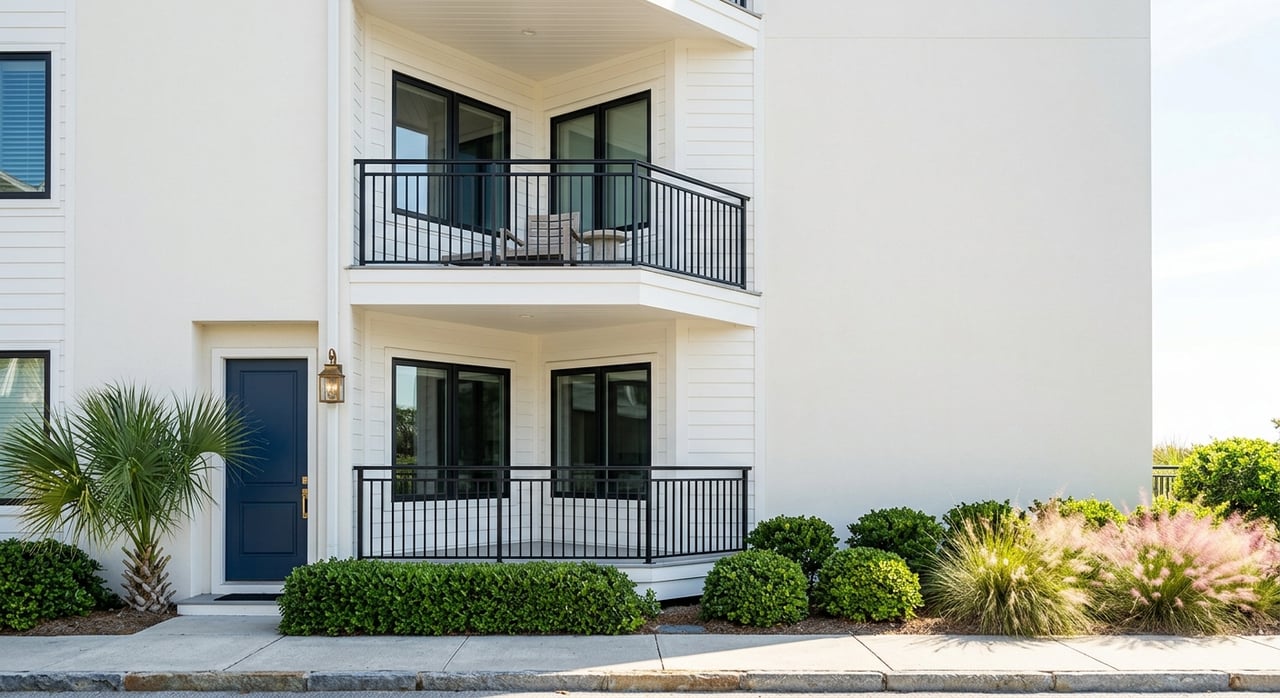
Downtown includes local historic districts such as the Residential Historic District and Mixed-Use Historic District, along with the Downtown Commercial Historic District Overlay. In practical terms, buyers often find historic homes, attached housing, and mixed-use buildings with older architectural styles.
If you are drawn to character homes, this can be a major plus. But it also comes with an ownership detail you should know early: exterior changes in local historic districts require a certificate of appropriateness.
What daily life feels like downtown
This area tends to work well if you value walkability more than a large yard or easy private parking. You may be able to rely less on your car for dining, entertainment, or weekend outings.
Parking is still part of the picture. Downtown has more than 2,600 on-street metered spaces and 3,346 off-street public spaces, and the Port City Trolley provides seasonal fare-free service on Front Street.
Downtown may fit you if you want:
- Walkability and shorter local trips
- Historic architecture and older housing stock
- Easy access to events, parks, and the riverfront
- A lifestyle that feels active and connected
Beach-adjacent areas prioritize coastal access
If your ideal day includes sand, surf, or water views, beach-adjacent living may be the better fit. In and around Wrightsville Beach, the lifestyle revolves more around shoreline access and outdoor recreation than downtown walkability.
This is one of the most important mindset shifts for buyers. You are not just choosing a home. You are choosing a coastal routine that includes parking rules, access points, and a more public-facing environment.
What homes feel like near Wrightsville Beach
Wrightsville Beach’s land-use planning shows a housing pattern led by single-family residential, with multi-family housing making up a smaller share. Nearby beach-adjacent areas on the Wilmington side show a similar pattern, with most land used or zoned for single-family purposes, along with some townhouse development and a range of lot sizes.
That usually means you will see a mix of detached homes, some townhomes, and housing shaped by mature coastal development patterns. Compared with downtown, the built environment often feels more residential and less mixed-use.
What daily life feels like near the beach
Wrightsville Beach has 44 designated public beach access locations. It also includes public restrooms at several access points, a restroom in Wrightsville Beach Park, and seven ADA-accessible ocean access locations.
The lifestyle equation here includes access management. The town uses parking controls and residential parking permits in some cases, so it is smart to look into parking and guest access rules early if you expect frequent visitors or regular beach days.
There is also a more formal permitting environment tied to coastal ownership. Wrightsville Beach’s Planning and Inspections Department handles local building and zoning codes, minimum housing standards, and CAMA permitting.
Beach-adjacent living may fit you if you want:
- Quick beach access and outdoor recreation
- A coastal lifestyle and routine
- Housing that leans more single-family than urban mixed-use
- Easy access to the shoreline, even if parking takes more planning
Inland neighborhoods offer more space
If you picture a larger lot, a garage, and a more traditional neighborhood layout, inland Wilmington may be the strongest match. These areas often appeal to buyers who want more house and a more conventional day-to-day setup.
Wilmington’s growth reports describe contemporary suburban neighborhoods as places with curving streets, fewer collector connections, large lots, and larger homes. The report points to examples such as Millbrook and Echo Farms as part of that suburban pattern.
What homes feel like inland
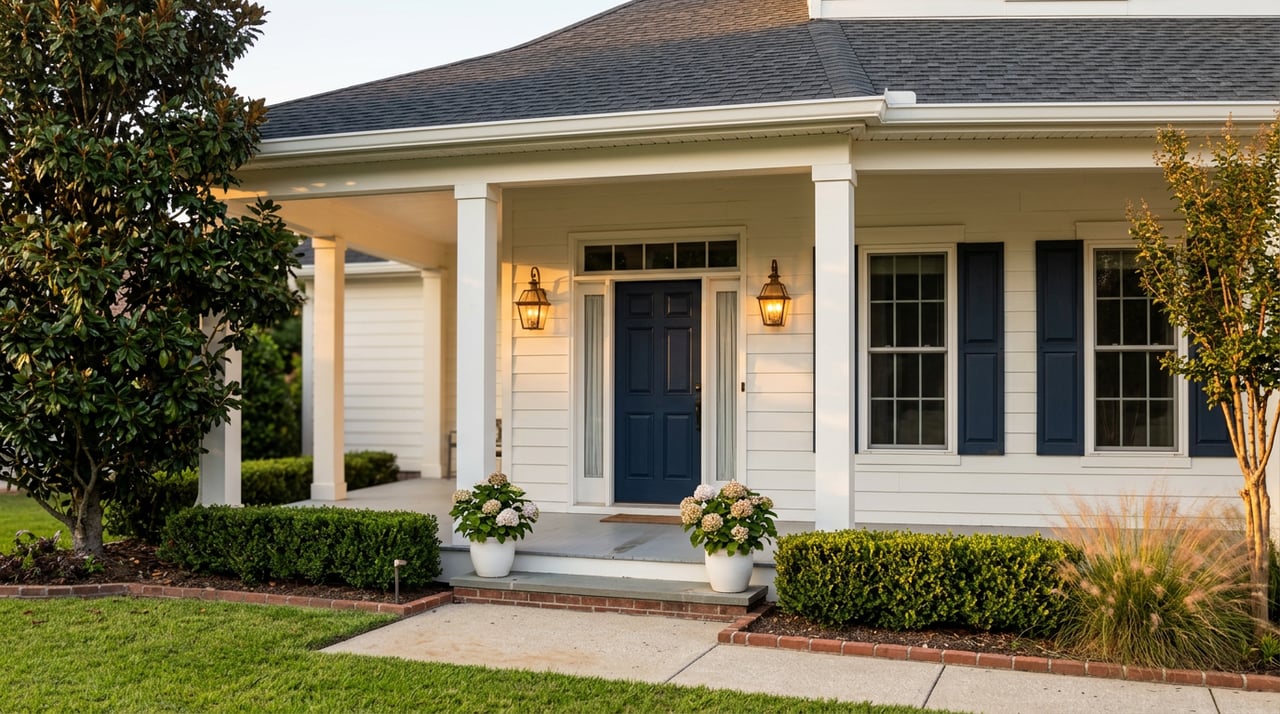
Inland suburban areas usually offer more detached homes and driveway-oriented living. You may find one-story patio homes, two-story contemporary homes, and subdivision layouts that feel quite different from downtown blocks or coastal streets.
For many buyers, this comes down to space and function. If you want more square footage, a yard, and easier everyday parking, these neighborhoods can check those boxes.
What daily life feels like inland
These parts of Wilmington are more car-oriented, even as the city works to reduce sprawl and shorten travel times on major roads. Commute patterns often center on major corridors and access to shopping, services, and work destinations.
WAVE Transit still provides meaningful coverage. The fixed-route system includes 12 routes and more than 400 bus stops, serving corridors such as College Road, Market Street, Carolina Beach Road, Oleander Drive, and the Greenfield and Shipyard areas, with service to downtown, UNCW, and many shopping centers.
Inland suburban living may fit you if you want:
- More house and lot for your money
- Driveway and garage convenience
- A more traditional subdivision layout
- A commute that is easier to evaluate by road access
How to compare Wilmington neighborhoods
Once you know the three broad lifestyle buckets, your search gets easier. The next step is to compare neighborhoods based on how you actually live during a normal week.
Start by focusing on your routine, not just the home itself. A beautiful property can still feel like the wrong fit if the parking, commute, or daily access does not support your lifestyle.
Ask these questions first
- Do you want to walk to dining, parks, or events?
- Do you want beach access to be part of your weekly routine?
- Do you prefer a larger lot and easier parking?
- How important is commute time on major roads?
- Are you open to historic district rules or coastal permitting requirements?
Match your priorities to the area
If your priority is walkability, river views, dining, and events, start with downtown and riverfront neighborhoods. The Riverwalk, Riverfront Park, downtown parking supply, and seasonal trolley all support that lifestyle.
If your priority is beach access and outdoor time, compare Wrightsville Beach and nearby east-side coastal areas first. Check parking, public access, and permit rules early so you understand the day-to-day reality.
If your priority is more square footage, more yard, and a more straightforward car commute, focus on inland suburban neighborhoods. In those areas, corridor access may matter more than finishes you can change later.
Budget is really about tradeoffs
Many buyers start with price, but in Wilmington, budget conversations often make more sense when tied to lifestyle choices. The city’s planning framework supports a range of housing types and price points, which means value can look very different depending on where you focus.
A smaller home downtown may give you a more walkable routine. A beach-adjacent property may offer coastal access but require more planning around parking and permits. An inland home may give you more space and easier parking but a more car-dependent routine.
That is why the smartest approach is to compare what you gain and what you give up in each area. Space, parking, walkability, and commute time are often the real decision-makers.
The right neighborhood is personal
There is no single Wilmington neighborhood that works for everyone. The right fit depends on whether you want riverfront energy, coastal access, or the comfort of a more traditional suburban setup.
When you narrow your search through that lens, the process gets clearer. You stop chasing the broad idea of the perfect neighborhood and start focusing on the place that supports the life you want to build.
If you want help sorting through Wilmington neighborhoods based on your goals, timeline, and budget, connect with Lindy Mauney. You will get thoughtful, local guidance tailored to how you want to live.
FAQs
What is the most walkable area in Wilmington, NC?
- Downtown Wilmington is the city’s most walkable lifestyle option in this guide, with the Riverwalk, Riverfront Park, dining, shopping, museums, and seasonal trolley service all supporting shorter local trips.
What should buyers know about historic homes in downtown Wilmington?
- Buyers looking at homes in Wilmington’s local historic districts should know that exterior changes require a certificate of appropriateness, which can affect renovation plans.
What makes Wrightsville Beach and nearby areas different from inland Wilmington?
- Wrightsville Beach and nearby east-side areas are more centered on beach access, outdoor recreation, parking management, and coastal permitting, while inland areas generally offer a more drive-first routine.
Are inland Wilmington neighborhoods more car-dependent?
- Yes. Inland and suburban parts of Wilmington generally feel more car-oriented, although WAVE Transit serves major corridors and connects riders to downtown, UNCW, and shopping centers.
How should you choose between downtown, beach, and suburban Wilmington neighborhoods?
- Start with your daily routine. If you value walkability, look downtown. If you want shoreline access, focus on beach-adjacent areas. If you want more house, lot space, and easier parking, compare inland suburban neighborhoods first.