Have you wondered what your Garner home would actually sell for right now? With headlines changing every week, it is hard to cut through the noise and land on a number you can trust. A Comparative Market Analysis, or CMA, gives you a clear, local answer by looking at real sales and real competition around you. In this guide, you will learn what a CMA is, how it works in Garner’s micro-neighborhoods, and how to use it to set a smart list price. Let’s dive in.
What a CMA is
A CMA is an agent-prepared report that estimates your likely list price and price range by comparing your home to recent sold, pending, and active listings. It is a market-pricing tool built on local transactions and current inventory. It is not a formal appraisal used for lending.
A CMA differs from other values you may see:
- Appraisal: Completed by a licensed appraiser for lending purposes and follows strict standards.
- Automated valuation models: Quick online estimates based on public data. They can miss unique features or fast market shifts.
- Tax assessed value: Used for property taxes and often lags the market, so it should not be the basis for pricing.
How a CMA prices homes in Garner
Garner sits in southern Wake County near I-40, I-440, and US-70. Proximity to Raleigh job centers and major routes can shift values even between nearby streets. Micro-neighborhoods matter. Downtown Garner, communities along Timber Drive, the White Oak area, and neighborhoods near Lake Benson can each behave a little differently. Small changes like a cul-de-sac location or a specific school assignment can move buyer demand.
The right comps and time window
- In a normal market, most CMAs use sold comps from the past 3 to 6 months. If activity slows, you may look 6 to 12 months back. In a fast-moving market, use a shorter window or apply stronger time adjustments.
- Sold homes are the backbone because they show where buyers and sellers agreed on price. Pending sales help show momentum. Active listings reveal your current competition, but some may be overpriced.
- Withdrawn or expired listings show price ceilings that buyers resisted.
Matching criteria that matter
A strong Garner CMA prioritizes:
- Location first, ideally the same subdivision or the closest micro-neighborhood.
- Property type that matches yours.
- Living area within about 10 to 15 percent.
- Bedroom and bathroom count and usable layout.
- Lot size and usable outdoor space.
- Age and major systems like roof and HVAC.
- Condition and upgrades, such as kitchens and baths.
- Parking, garage, finished attic or basement, pool, and views.
Adjustments that move price
Even close comps differ in size, features, and condition. Adjustments bring each comparable closer to your home so you can compare apples to apples.
Quantitative vs. qualitative changes
- Quantitative adjustments use dollars or percentages for measurable features like square footage, bed and bath counts, lot size, or garage stalls.
- Qualitative adjustments are used when exact dollars are tougher to pin down, such as overall condition, finish level, curb appeal, or functional layout.
Condition and updates in Garner
Condition can be as important as location. A simple scale helps set expectations:
- Excellent: recent remodels and turnkey.
- Good: well maintained with some updates.
- Average: clean and functional, but dated.
- Below average: noticeable deferred maintenance.
Support condition with photo evidence and similar-quality comps. Treat basic maintenance separately from upgrades like a new kitchen or bathroom remodel.
Time and market momentum
When the market is trending up or down, older comps may need a time adjustment. Many CMAs look at monthly changes in median sale price for Wake County or Garner and apply a proportional factor to older sales. This helps keep your pricing aligned with today’s buyers.
A simple CMA framework you can expect
You should see a clear, step-by-step structure in a quality CMA:
- Gather facts on your home: address, lot size, living area, bed and bath count, year built, parking, roof and HVAC, updates, and school assignments.
- Pull comps from the MLS: aim for 3 to 6 recent solds in the same micro-neighborhood, plus 2 to 3 pending or active listings for context. Note expired or withdrawn listings.
- Verify details in public records and review photos and disclosures to confirm condition.
- Calculate a baseline price per square foot from the sold comps and note the range.
- Build an adjustments table to account for size, beds and baths, lot, condition, time, and special features.
- Adjust each comp to mirror your home and record an adjusted sale price.
- Recommend a list price range and pricing strategy with days-on-market expectations.
- Share prep suggestions, such as curb appeal, repairs, staging, or targeted updates with cost-versus-return guidance.
What your price range might look like
Your CMA should summarize adjusted prices and present a pricing band. For example: “Based on three recent closed sales in the [micro-neighborhood name] and current active competition, a well-prepared and marketed home matching these features would likely list in the X to Y range.” The final recommendation should also include a strategy tailored to your timing and risk comfort.
Pricing strategies that fit your goals
Different goals call for different approaches:
- Price to market: List near the median of adjusted comps to attract strong early interest and fair offers.
- List high to negotiate: Consider this only when inventory is scarce and your home shows superior features and condition.
- List slightly below market: Useful to spark multiple offers when buyer demand is strong.
Your CMA should explain which strategy aligns with local inventory, days on market, and the quality of your home’s presentation.
Prepare to maximize your CMA value
A few targeted moves can shift your position inside the price range:
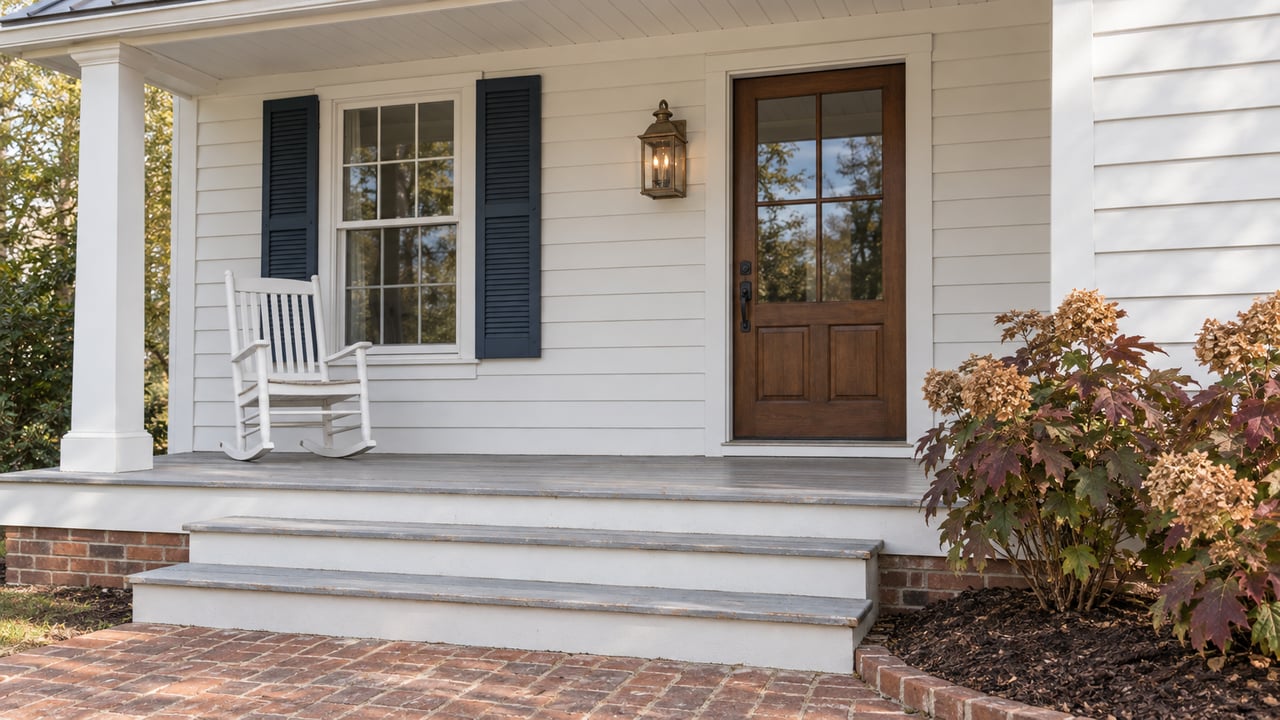
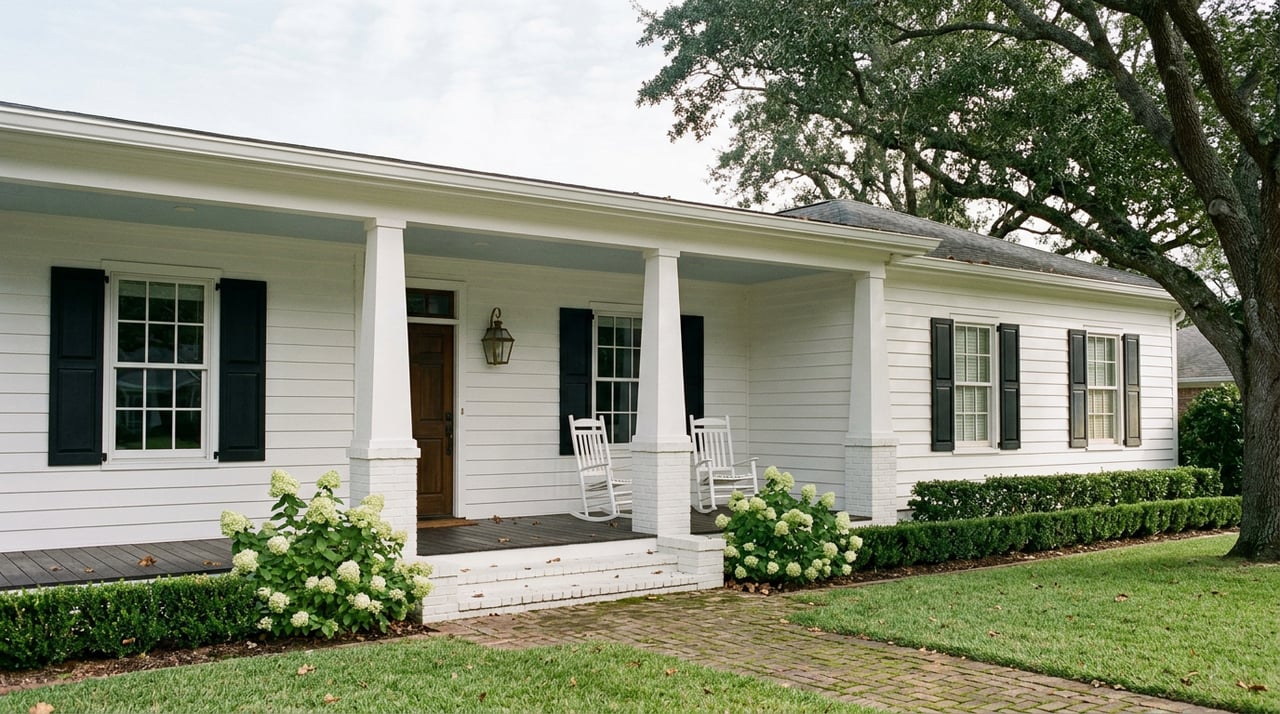
- Boost curb appeal with landscaping, fresh mulch, and a clean entry.
- Complete small repairs that might distract buyers.
- Refresh paint and flooring where it creates the biggest impact.
- Declutter, depersonalize, and stage key rooms to highlight space and light.
- Use professional listing photos and allow flexible showing times.
Common pitfalls to avoid
- Using distant or dissimilar comps that cross major roads or change micro-neighborhoods.
- Relying only on online estimates or tax assessments without local context.
- Ignoring condition and presentation, which can shift buyer perception and price.
- Overlooking market momentum when older comps no longer reflect current demand.
What you get with a local advisor
A strong Garner CMA is more than a spreadsheet. It blends hard data with on-the-ground context like new construction nearby, local infrastructure projects, and changing school assignments. You also get practical guidance on small improvements that may lift your list price and reduce days on market. With a solutions-first approach and deep Triangle expertise, you can expect clear pricing, thoughtful prep advice, and a plan that supports your timeline and goals.
Ready to see how your Garner home stacks up? Get your instant home valuation and request a personalized CMA with pricing strategy, prep tips, and next steps. Connect with Lindy Mauney for a quick conversation or a convenient virtual walkthrough.
FAQs
What is a Comparative Market Analysis for a Garner home?
- It is an agent-prepared pricing report that estimates a likely list price and range by comparing your home to recent sold, pending, and active listings in your micro-neighborhood.
How many comps should a Garner CMA include and how recent?
- Most CMAs use 3 to 6 recent sold comps from the past 3 to 6 months, plus a few pending or active listings for context, adjusting the time frame if the market is slower or shifting.
How is a CMA different from an appraisal in North Carolina?
- A CMA is a marketing and pricing tool created by an agent; an appraisal is a formal valuation performed by a licensed appraiser for lending and follows strict standards.
Will an instant online estimate match an agent’s CMA for my Garner property?
- Not always. Online models use broad data and may miss unique features or fast changes; a CMA uses local comps, photos, and adjustments tailored to your home.
Do condition and upgrades really change CMA pricing in Garner?
- Yes. Condition and updates often move value within your price range. Photo-supported comps and a clear condition scale help quantify the impact.
How often should I update my CMA if I plan to sell in Garner?
- Update when new sales close nearby, when listings shift, or any time a few weeks pass in a volatile market so your pricing stays current.
Do I need an appraisal before listing my Garner home?
- Usually no. A CMA is sufficient for pricing strategy. An appraisal may be recommended for lending or specific legal needs.