Thinking about listing your Wilmington home soon, but not sure where to start? You want a clear plan that maximizes your first two weeks on market and handles the coastal details that matter here. In this guide, you’ll get a step‑by‑step 30‑day launch plan tailored to Wilmington and New Hanover County, plus what to watch, who does what, and how to evaluate your agent. Let’s dive in.
Your 30‑day launch plan at a glance
Days 1–3: Pricing plan and kickoff
- What happens
- Your agent completes a Comparative Market Analysis and recommends a price range with strategy options: price at market, slightly under to spark activity, or test over market. You decide together based on your goals and timeline.
- Review your mortgage details, HOA info, and any tenancy or short sale needs.
- Discuss an offer review date if you expect strong interest.
- Who is involved
- You and your listing agent. You’ll review comps, a preliminary net sheet, and timing.
- Local notes
- Ask about Cape Fear MLS rules for Coming Soon status and what pre‑marketing is allowed.
Days 4–7: Contract, disclosures, and pre‑listing planning
- What happens
- Sign the Listing Agreement and confirm the term and commission.
- Complete North Carolina’s standard disclosures, including the North Carolina Residential Property and Owners’ Association Disclosure Statement where applicable, and disclose known material facts.
- Order a pre‑listing home inspection if desired, plus any specialty checks such as roof, HVAC, or termite.
- Pull tax data and confirm ownership details for accurate MLS entry.
- Who is involved
- You, your agent, and an inspector.
- Local notes
- For homes built before 1978, federal lead‑based paint rules may apply.
- Check City of Wilmington or New Hanover County records for open permits or unpermitted work so you can disclose properly.
Days 8–12: Prep week for repairs, staging, and curb appeal
- What happens
- Tackle repair priorities from the inspection, focusing on safety and visible defects first.
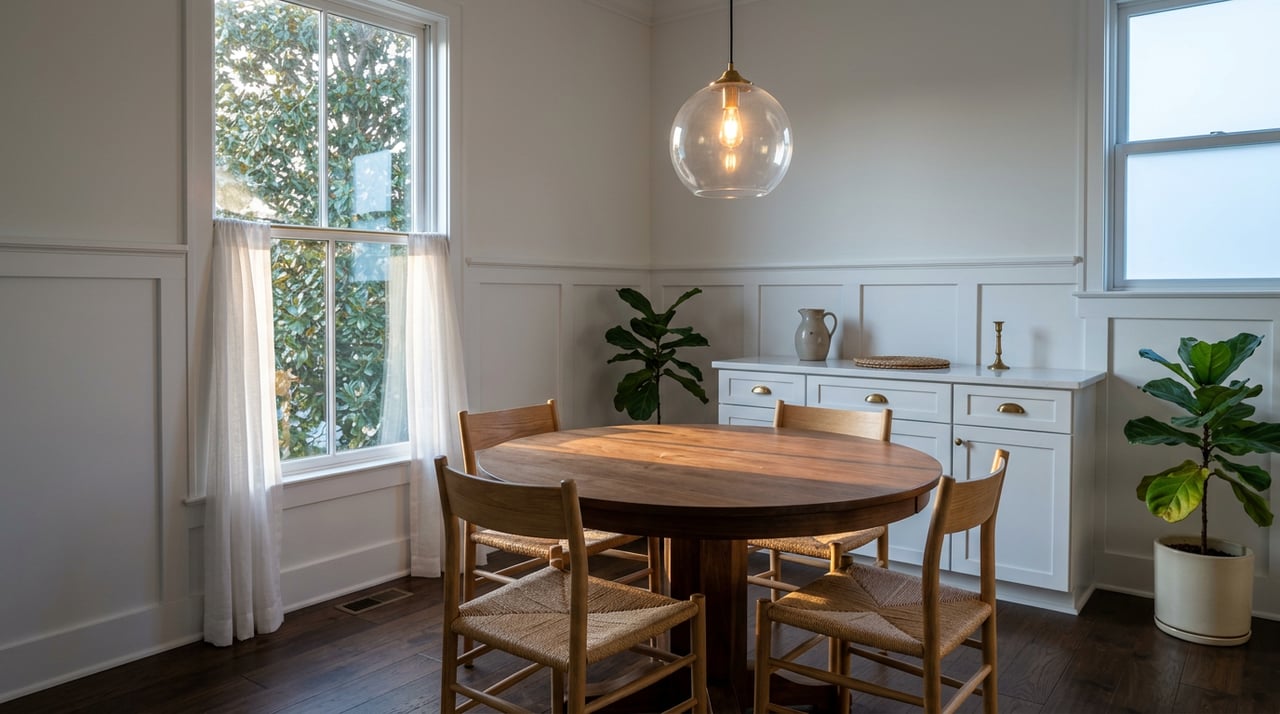
- Deep clean, declutter, and stage. Even partial staging can help rooms photograph larger and brighter.
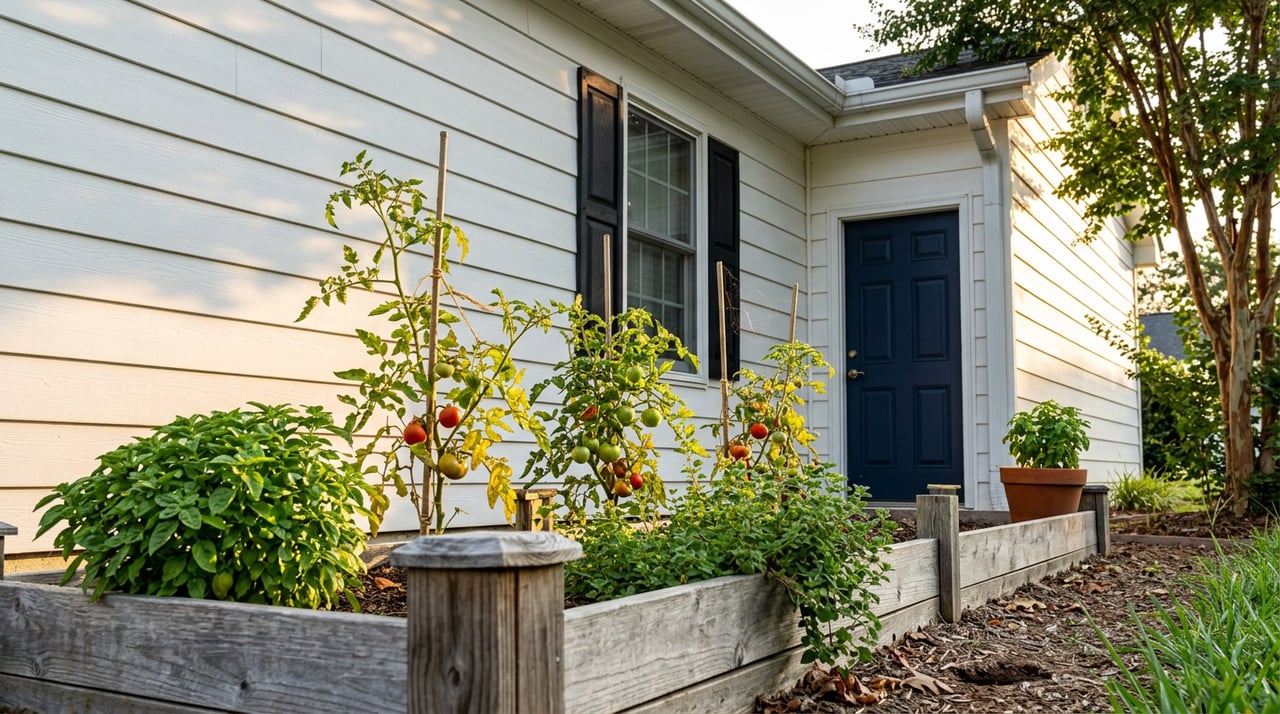
- Boost curb appeal with fresh mulch, trimmed shrubs, pressure‑washed surfaces, and a refreshed front door.
- Who is involved
- Contractors, a stager, a cleaner, and a landscaper.
- Local notes
- Our coastal climate can mean mold or mildew in shaded areas. Consider servicing HVAC and using a dehumidifier where needed.
- If you are in an HOA, confirm rules for signage and any exterior changes.
Days 13–15: Professional media capture
- What happens
- Schedule high‑quality photography, including interiors, exteriors, and a twilight exterior.
- Add floor plans and measurements. Buyers value accurate layouts and room sizes.
- Create a 3D tour for remote buyers and a short video for social channels.
- Use drone footage when the lot, neighborhood context, or water access is a selling point.
- Who is involved
- A photographer, videographer, and drone pilot working with your agent.
- Local notes
- Ensure any drone operator is FAA Part 107 certified and follows local airspace rules.
- For waterfront or water‑adjacent homes, clearly capture views and access points so buyers understand what is included.
Days 16–17: MLS entry and syndication
- What happens
- Your agent enters the listing into Cape Fear MLS with full and accurate fields: room counts, taxes, HOA fees, year built, and flood zone details if applicable.
- Upload photos, floor plans, 3D tour links, and a property brochure.
- Syndicate to major portals, broker sites, and agent networks to maximize visibility.
- Who is involved
- Your agent or brokerage admin.
- Local notes
- If your home is in a flood zone, make sure the elevation certificate and any flood insurance notes are correctly reflected in the listing.
Days 18–23: Targeted digital distribution
- What happens
- Launch geo‑targeted ad campaigns on social and search. Match ad creatives with your listing’s best features.
- Send email alerts to in‑database buyers and active buyer agents.
- Invite agents to a broker preview and schedule agent open houses where appropriate.
- Who is involved
- Your agent and a marketing coordinator or ad specialist.
- Local notes
- Reach likely feeder markets, including Raleigh and Charlotte, and out‑of‑state audiences who often consider the NC coast. Confirm ad platform targeting rules.
Days 24–30: Launch weekend and offer management
- What happens
- Host a broker preview the day before your public open.
- Hold open houses on launch weekend and manage private showings for serious buyers.
- If multiple offers are likely, your agent can set an offer review deadline and outline next steps clearly to buyer agents.
- Review offers side by side with net sheets, timelines, and risk profiles.
- Who is involved
- You, your agent, and buyer agents.
- Negotiation focus
- Consider contingencies such as inspection, appraisal, and financing.
- Discuss whether to allow escalation clauses or request best and final offers.
- Follow MLS rules and state law for transparent, documented offer presentation.
After day 30: Contract to closing
- What happens
- Manage inspections, negotiate repairs, and monitor the appraisal.
- Keep marketing active for backups until closing.
- In North Carolina, closing is typically handled by an attorney.
Smart pricing for Wilmington
A strong pricing strategy starts with a clear CMA using recent comparable sales and active competition in your immediate area. Your agent should:
- Use 3 to 6 recent closed comps, plus active and pending listings, prioritizing similar bed and bath counts, square footage, and lot features.
- Adjust for condition, renovations, outdoor living space, and views. Waterfront and soundfront homes often carry premiums balanced by insurance costs and maintenance.
- Recommend one of three paths:
- Price at market for broad appeal and steady interest.
- Price slightly under to generate urgency and potential multiple offers.
- Price over market if you value negotiation room, understanding it may increase days on market.
Seasonality can shape demand at the coast, with spring and summer often busiest. Wilmington’s medical, education, and port employers also support steady year‑round activity. Ask your agent to monitor Cape Fear MLS and Cape Fear REALTORS reports for current inventory and days on market.
Media and marketing that move buyers
Professional media is non‑negotiable. At minimum, you want:
- High‑quality photos and a twilight exterior to showcase curb appeal.
- Floor plans with accurate measurements.
- A clear, benefit‑driven description that highlights what buyers will love.
To maximize reach, add:
- A 3D tour for remote and out‑of‑market buyers.
- A short social video for Reels and Stories.
- Drone footage for larger lots, waterfront, and neighborhood context.
Distribution should include Cape Fear MLS, syndication to major portals, targeted social and search ads, email alerts to buyers and agents, and local broker previews. Your agent’s ad plan should outline budgets, targeting, and creative samples so you know how your listing will be presented.
Coastal essentials: disclosures and risk
The details below help you avoid surprises and build buyer confidence:
- North Carolina disclosures. Complete the state’s standardized forms and disclose known material facts. Your agent should guide you through required documents.
- Flood zones and insurance. Many Wilmington properties sit in or near FEMA flood zones. Be prepared to discuss current flood insurance, any past claims, and provide an elevation certificate if you have one. Buyers and lenders use this to assess risk and costs.
- Permits and unpermitted work. Verify permits through City of Wilmington or New Hanover County if you have done renovations. Disclose unpermitted work so buyers are fully informed.
- HOA details. Share current dues, what they cover, and any pending assessments. Confirm signage and open house rules before launch.
- Coastal regulations. For properties near dunes, beaches, or waterways, check whether any coastal permits exist and whether they affect your sale or future use.
Launch weekend and offer strategy
Launch weekend should feel organized and inviting. Your agent manages access, safety, and buyer flow while collecting feedback. If multiple offers arrive, your agent presents your options, including setting a deadline, requesting best and final, or accepting a standout offer early. Each path has tradeoffs in price certainty, speed, and risk.
When reviewing offers, look beyond the number. Compare:
- Earnest money and due diligence fees.
- Financing strength and lender reputation.
- Requested concessions and inspection expectations.
- Appraisal gap plans if the price runs ahead of comps.
- Closing timeline and any lease‑back needs.
What success looks like: metrics to watch
Track the right metrics during the first two weeks and you will know if your plan is working:
- Early indicators. Online views, saves or favorites, showing requests, and agent feedback from the broker preview.
- Launch weekend. Open house turnout, number of private showings, and the quality and number of offers.
- Post‑launch. Days on market, list‑to‑sold price ratio, price reductions if needed, and time to close.
Ask for weekly updates that summarize activity, feedback themes, and next steps. Data‑driven adjustments are part of a professional launch, not a setback.
How to choose your listing agent
Use this quick interview checklist to compare agents:
- Ask for a written 30‑day launch plan and examples of recent Wilmington listings.
- Request a CMA with clear adjustments and logic you understand.
- Review a marketing packet with photography samples, staging partners, and ad creative.
- Confirm communication cadence: how often you will hear from them and in what format.
- Request recent seller testimonials for Wilmington and coastal properties.
You deserve a partner who is proactive, transparent, and confident navigating coastal details like flood zones, HOA dynamics, and drone media.
What you can expect with Capital to the Coast
With boutique service powered by modern tech, you get a clear plan, polished media, and thoughtful distribution across local and feeder markets. You work directly with a solutions‑oriented advisor who is experienced in both inland and coastal transactions, understands construction and land nuances, and treats your timeline like a priority. From pricing strategy to closing with a North Carolina attorney, you stay informed and in control at every step.
Ready to see what your Wilmington home could sell for? Get your instant home valuation and a tailored 30‑day launch plan when you connect with Lindy Mauney.
FAQs
What is the benefit of a pre‑listing inspection in Wilmington?
- It helps you uncover issues early, prioritize repairs that boost buyer confidence, and reduce surprises during the buyer’s inspection period.
How does staging impact my sale in New Hanover County?
- Staging highlights space, light, and flow for photos and showings, which often increases interest and reduces time on market.
How will my list price be set for a coastal property?
- Your agent uses a CMA with recent comps, adjusts for condition and views, and factors in flood insurance and maintenance considerations that influence buyer demand.
What marketing should I expect in the first two weeks?
- Professional photos, floor plans, a compelling description, 3D or video, MLS syndication, targeted ads, email alerts, and broker previews to build early momentum.
How are showings and open houses handled for privacy and safety?
- Your agent controls access via scheduled showings, verifies buyers through their agents, manages open house flow, and secures your home before and after events.
What are typical closing steps in North Carolina?
- After going under contract, you complete inspections, repair negotiations, and appraisal before closing with a North Carolina attorney who manages final documents and funds.