You know that feeling when the air smells like salt and coffee at the same time? That is a Southport morning near the waterfront. Gulls circle above the Riverwalk, boats hum on the channel, and you can wander to a pier bench before breakfast. If you are imagining a life shaped by tides, walkable blocks, and easy small-town routines, this guide shows you what that really looks like in Southport. Let’s dive in.
Where water meets daily life
The Riverwalk and pier
Southport’s waterfront centers on a short, handicapped-accessible wooden Riverwalk that loops along the water’s edge and ties together parks, the Old Yacht Basin, and marina areas. It is a simple, scenic route with benches, low railings, and marsh views that invite you to slow down. You can fish casually from the Southport City Pier or sit with a book and watch birds work the tide. Learn more about the Southport Riverwalk from the local guide for a sense of the layout and feel: Southport River Walk overview.
Marinas and boat traffic
On most days you will see a steady mix of sailboats, tugs, fishing charters, and pleasure craft moving along the Cape Fear River and Intracoastal Waterway. Multiple marinas serve resident and visiting boaters, including Southport Marina, Deep Point Marina, South Harbour Village, and facilities tied to nearby communities. If you enjoy watching wakes and working waterfront scenes, living near the river keeps you close to the action. For a snapshot of the area’s facilities, browse the regional marinas list.
Ferry rhythms to Bald Head Island
Ferry horns are part of the soundtrack. The Bald Head Island passenger ferry runs from the Deep Point terminal, carrying residents, workers, and day-trippers. Schedules shift by season, so check the Bald Head Island ferry page for current times before you plan a spontaneous trip.
Downtown dining and walkability
The blocks near the water and along Howe Street offer a compact set of cafés, seafood spots, and small shops. It is easy to stroll out for coffee, browse a boutique, or plan a sunset dinner without getting in the car. Waterfront restaurants like Fishy Fishy Café sit right on the basin, where you can watch boats slide by while you eat. Get a sense of menus and setting here: Fishy Fishy Café.
On weekends, patios fill quickly and the energy picks up. Weekdays feel neighborly and relaxed, with locals walking dogs, chatting on porches, and running quick errands in town.
Seasons and weekly rhythm
Southport has a humid subtropical coastal climate with warm summers and mild winters. Summer is high season, and the waterfront gets livelier with visitors, boat traffic, and restaurant lines. Winter and early spring are quieter and more local, which many residents enjoy for the slower pace. For a broader feel of Southport’s charm and seasonal mood, this overview offers helpful context: Southern Living’s look at Southport.
Hurricane season officially runs from June 1 to November 30. Most days are uneventful, but you plan with the season in mind. That can mean watching forecasts more closely, knowing your evacuation route, and securing outdoor items during storm warnings.
Neighborhoods near the water
Historic downtown feel
The heart of Southport includes the Southport Historic District, where many homes date from the late 19th and early 20th centuries. You will find broad porches, mature oaks, narrow streets, and a short, walkable grid that leads to the water. Some properties fall under local preservation guidelines, so exterior changes may require approvals. For background on the district’s character, see the Southport Historic District summary.
Old Yacht Basin and marina-side living
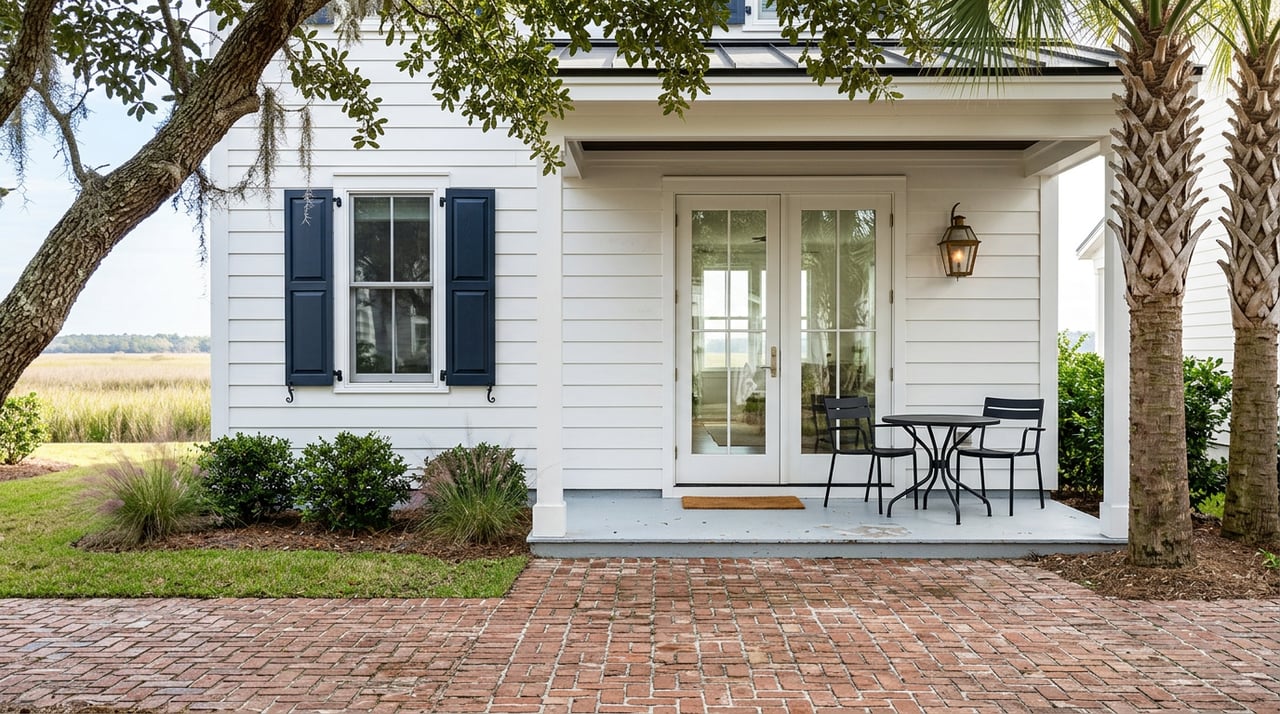
Near the Old Yacht Basin, you will see small cottages, low-rise condos, and homes that sit a short walk from docks and slips. Daily life here tends to revolve around easy access to the pier, simple routines like evening walks on the Riverwalk, and regular boat watching. Many buyers like the close-knit scale and the ability to leave the car parked for days at a time.
Gated and amenity communities nearby
A few minutes from downtown, larger planned communities offer a different rhythm. Places like St. James Plantation feature marina access, golf, trails, and club amenities. Compared with in-town living, you are trading a historic, walkable grid for a more private, amenity-driven environment. Your choice comes down to scale, HOA structure, and the lifestyle you prefer.
What buyers tend to seek
Near the water, you will find a range of homes: restored Victorians, coastal cottages, low-rise condos, single-family homes along creeks, and larger homes in gated neighborhoods. Many properties appeal to retirees, second-home buyers, and year-round residents who want walkability and water access. Inventory and pricing change over time, so you will want current, property-level guidance when you are ready to look.
Everyday conveniences and access
Airports and getting around
Southport sits where the Cape Fear River meets the Atlantic and the Intracoastal Waterway, with a compact city that counted 3,971 residents in the 2020 Census. For location context and city background, start with the Southport overview. The nearest major airport is Wilmington International (ILM), typically a 30 to 45 minute drive depending on route and traffic. Check a local travel guide for orientation: Southport access and travel.
Shopping and services
Downtown has small markets, specialty shops, and daily conveniences within a short walk of many waterfront streets. For larger errands and big-box retail, you will drive a short distance outside the historic core. Many residents enjoy a hybrid routine: walk for coffee and dinner, drive for bulk shopping.
Schools and healthcare
Public school assignments in the area are managed by Brunswick County Schools. To confirm attendance zones and program details, start with the district’s pages for Southport Elementary and secondary schools: Brunswick County Schools site map. For medical needs, J. Arthur Dosher Memorial Hospital serves the Southport community, and a larger acute-care center is nearby in Bolivia. Routine care is close to home, and you have expanded services a short drive away.
Practical coastal realities
Flood zones and insurance
Southport is coastal and tidal, and the region has seen measurable sea-level rise along with more frequent high-tide, or nuisance, flooding. That can affect low-lying streets and some properties near the water. To understand the regional context, review the VIMS Sea-Level Report Card for Wilmington. Before you buy, check current FEMA flood maps for the specific address and confirm elevation, insurance needs, and any local freeboard requirements with the city and your insurer.
Storm prep and seasonal planning
Hurricane season shapes simple habits. You secure outdoor furniture during warnings, keep storm supplies on hand, and follow city updates. Many homes near the water are built or retrofitted with resilience in mind, which can include elevation, shutters, and drainage improvements.
Preservation and permitting
If you are eyeing a home in the historic district, factor in guidelines for exterior changes and additions. The goal is to preserve Southport’s architectural character while allowing thoughtful updates. You can find local preservation contacts here: City of Southport Historic Preservation Commission.
Culture, scenery, and small-town pride
Southport’s waterfront has a storybook quality that has attracted film and TV productions for years. That cinematic backdrop blends Victorian facades, porches, and maritime structures with slow streets and bright water light. The town’s filming history adds to its national image and explains why first-time visitors often describe it as charming or timeless. For a fun look at this side of town identity, explore Southport’s movie history.
Maritime culture runs deep all year. You will find yacht clubs, boating traditions, and occasional festivals and flotillas that bring people to the water for shared experiences. Museum programs and history talks offer family-friendly ways to connect with the region’s past.
Is the waterfront right for you
If you value a walkable downtown, daily water views, and easy dining and coffee runs, living near the waterfront fits well. You trade a little quiet during peak weekends for year-round access to the pier, parks, and local shops. You plan for storms and stay mindful of flood maps, and in return you get a lifestyle shaped by the tides.
Here is a quick gut-check:
- You will love it if you want daily walks on the Riverwalk, sunset watching, and a small-town routine that rarely needs the car.
- You will appreciate it if you enjoy boat and ferry activity and the buzz of a livelier summer season.
- You should plan carefully if you prefer full-time quiet, want zero tourist presence, or need a completely car-free routine for larger errands.
Next steps
Curious which streets feel best, or how a specific home’s elevation and flood zone compare to others nearby? You deserve a local, practical plan. For tailored guidance on homes near Southport’s waterfront, plus help comparing historic blocks with amenity neighborhoods, connect with Lindy Mauney. Lindy’s dual-market expertise across the Triangle and NC coast means you get calm, data-driven advice and a smooth process from search to closing.
FAQs
What is the Southport Riverwalk like for daily walks?
- It is a short, handicapped-accessible wooden loop with benches, marsh views, and easy access to the pier that makes quick morning and evening walks simple.
How busy is Southport’s waterfront in summer?
- Summer is high season with more visitors, boat traffic, and lively restaurants, while weekdays and winter months feel quieter and more local.
What should buyers know about flood zones in Southport?
- Review the VIMS Wilmington sea-level trends and check current FEMA flood maps for a property’s specific zone, elevation, and insurance needs.
How far is the Southport waterfront from Wilmington International Airport?
- Wilmington International (ILM) is typically a 30 to 45 minute drive depending on route and traffic, which makes regional travel convenient.
What schools serve homes near Southport’s waterfront?
- School assignments are managed by Brunswick County Schools; confirm attendance zones and programs through the district site.