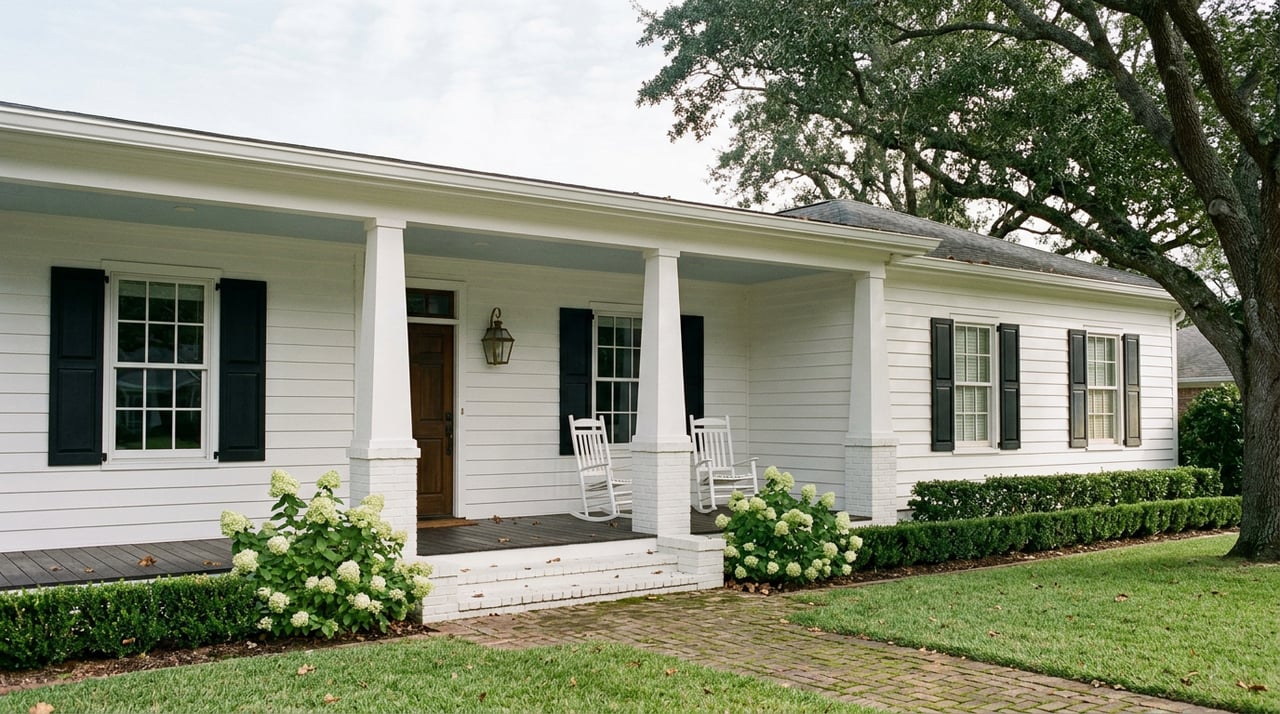
A buyer in Denver signs a contract on a Tuesday morning, mountain time. The Oak Island cottage is exactly what she wanted, and her agent walks her through the numbers by phone before she hits send on the signature. What nobody mentions clearly enough is that the due diligence period she just agreed to doesn't end at midnight two weeks later. It ends at 5:00 PM, eastern time, on the dot. She's two hours behind the deadline before she's even unpacked her inspection reports.
This isn't a hypothetical stitched together for effect. It's the ordinary shape of a transaction on this stretch of the Brunswick County coast, where a large share of buyers and sellers are working the deal from somewhere else entirely. Understanding how North Carolina's due diligence system works matters everywhere in the state. Understanding how it works when you're not standing in the house matters more here than almost anywhere else in the Triangle-to-coast footprint we cover.
The Number That's Different Here
North Carolina replaced the inspection and financing contingencies that most states use with a single mechanism: a due diligence fee paid directly to the seller, plus a negotiated window (usually 14 to 30 days) during which the buyer can walk away for any reason and keep their earnest money. The fee itself is gone the moment it's paid, whether the deal closes or not. It's not a penalty. It's the price of the option to leave.
What that fee actually costs depends heavily on where in the state you're buying. In the Piedmont and Triad markets, 2026 due diligence fees are commonly running $1,500 to $3,500 on homes priced between $200,000 and $500,000, a range that works out to somewhere around 0.4 to 0.8 percent of the purchase price. In the Southport and Oak Island market specifically, local agents have long quoted a customary range closer to 1 to 2 percent of the purchase price, a pattern that has held even as fee amounts elsewhere in the state have swung with the market.
| Purchase price | Triad-area DD fee (0.4-0.8%) | Southport/Oak Island DD fee (1-2%) |
|---|---|---|
| $350,000 | $1,400 - $2,800 | $3,500 - $7,000 |
| $500,000 | $2,000 - $4,000 | $5,000 - $10,000 |
| $750,000 | $3,000 - $6,000 | $7,500 - $15,000 |
Same contract form, same legal mechanism, twice the check on a comparable house. That gap isn't a typo in someone's blog post. It reflects what the fee is actually pricing.
Why the Fee Runs Higher on This Stretch of Coast
The due diligence fee compensates a seller for taking the home off the market while a buyer investigates it. The bigger that compensation needs to be, the more a seller stands to lose if the buyer walks, and the more competition there is among buyers willing to pay for certainty. Second-home and investment purchases carry more of that risk on both sides. A seller who's counting on the proceeds for their own next move has more exposure during a two-week hold than a builder selling a spec home. A buyer competing against other out-of-state investors for the same waterfront lot has more incentive to put a bigger number on the table to make the offer credible.
None of that shows up on the county tax record or the listing sheet. It shows up in the size of the check due at contract signing, and it's the first place a buyer moving here from a market with a standard inspection contingency gets a sense of how differently this works.
The Clock Doesn't Care Where You're Standing
Here's the detail that actually decides outcomes: in vacation and second-home markets like Oak Island and nearby Surf City, agents report that more than half of transactions involve a buyer or seller who isn't physically present for some or all of the process. That's not a footnote. It's close to the norm for how property changes hands on this part of the coast.
The due diligence deadline in the standard NC contract is written to a specific time, 5:00 PM, not to the end of the calendar day. Miss it by five minutes because you were waiting on one more phone call from a contractor, and the window is closed. You've either bought the house as-is or you've forfeited your earnest money along with the due diligence fee you already paid. Recent form updates added checkboxes to clarify whether a deadline is a specific date or a number of days, which helps with counting errors, but it does nothing to move the clock for a buyer working from a different time zone.
The fix isn't complicated. It's knowing, in writing, exactly what time and what time zone governs your deadline, and treating that number the way you'd treat a flight departure rather than a loose end-of-week target.
No Contingency Behind the Financing
Because North Carolina folds every buyer protection into the single due diligence window, there's no separate financing contingency sitting behind it. If your loan falls through after the due diligence period ends, that's not a protected exit. You lose the fee and, in most cases, the earnest money too. Your only real safety net was the calendar, and once it closes, it closes for financing the same as it does for a bad inspection.
This matters more for buyers financing a second home or an investment property than it does for someone buying a primary residence with a straightforward W-2 file. Second-home and investment loans typically take longer to underwrite, involve larger down payments, and are more sensitive to a lender needing one more document. If your loan approval is still moving through underwriting when the due diligence deadline hits, you're exposed in a way a buyer with a shorter, simpler file isn't. The practical answer is to get full underwriting, not just a pre-qualification letter, moving before you're deep into the window, and to build the due diligence period long enough to actually cover it.
What Coastal Due Diligence Actually Has to Cover in Those 14 Days
A due diligence period inland mostly means a general inspection, a pest inspection, and maybe a radon test. On the coast, the list is longer, and every added step eats into the same window.
Buyers here typically need to confirm the property's flood zone designation and, where one exists, review the elevation certificate. Getting early quotes for homeowners, wind and hurricane, and flood insurance matters just as much as the inspection report, because insurance cost and availability can affect loan approval and the monthly budget in ways a buyer from an inland market may not have priced in. For waterfront or near-water properties, that list extends further, to seawalls, bulkheads, pilings, and general shoreline stability, none of which show up on a standard home inspection checklist.
Stack all of that against a 14-day window and the math gets tight fast, especially for a buyer coordinating inspectors, insurance agents, and a closing attorney from out of state, on a property they may have only seen once, in person, before writing the offer.
The One 2026 Change That Actually Helps Remote Buyers
Not every update to the standard contract makes life harder. NC REALTORS' 2026 revisions to the state's Offer to Purchase and Contract added a small but real cushion to Paragraph 1(i): if the due diligence fee isn't paid exactly on the contract's effective date, the buyer isn't automatically in breach the next day. Instead, they now have until the end of the next banking day to get the payment through before that risk kicks in.
That sounds like a technicality until you've tried to wire funds across state lines on a Friday afternoon, or coordinate a signature with a closing attorney's office that keeps different hours than your own bank. For a buyer managing the mechanics of a purchase from another state, that one extra banking day is the difference between a clean transaction and a scramble.
A Practical Game Plan for Buying From Somewhere Else
None of this is a reason to avoid buying on Oak Island from out of state. Most of the people doing it now are managing the process just fine. It's a reason to build the transaction with the actual mechanics in mind rather than assumptions carried over from a different state's rules.
- Confirm the exact date, time, and time zone written into your due diligence deadline before you sign, and calendar it the way you'd calendar a flight.
- Start homeowners, wind, and flood insurance quotes the same week you go under contract, not after your inspection comes back.
- Book your general inspection within the first 48 hours of the due diligence period starting. Good coastal inspectors book up quickly, and waiting even a few days can burn a meaningful share of a short window.
- If the property is waterfront, budget time in your due diligence window for a separate look at seawalls, bulkheads, or pilings.
- Sign mail-away closing documents 3 to 5 days ahead of the deadline rather than the day before, particularly during active hurricane season when shipping and courier delays are more common.
- Get full underwriting moving early if you're financing a second home or investment purchase, since there's no separate financing contingency to fall back on after the window closes.
A Few Questions We Hear Often
Does the 14-day grace period for a delayed closing apply to due diligence too? No. The standard contract's built-in extension for a good-faith delay applies to the settlement date, not the due diligence deadline. The due diligence window is the one date in the contract that doesn't bend.
Is there a due diligence period on new construction? Generally no. New construction purchases still involve earnest money, but the negotiated due diligence period that applies to resale homes typically doesn't apply the same way, since there's no existing structure to inspect in the same sense.
Can I do my inspections before I sign the due diligence fee check? Some buyers arrange a pre-offer or information-only inspection before writing an offer at all, particularly on a property they can't easily fly back to see twice. It's worth discussing with your agent whether that approach makes sense for a specific listing.
If you're weighing an Oak Island purchase from another state, the numbers above are exactly the kind of thing worth walking through before you write the offer, not after. Capital to the Coast works both sides of this transaction, the Triangle and the coast, and can help you structure a due diligence timeline that actually fits how you're buying, not just the standard template.